Describe the Mechanisms by Which Acetylcholine Affects Heart Rate
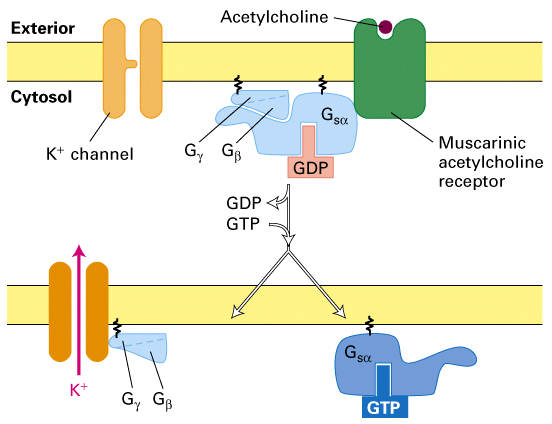
Effects of acetylcholine on the heart. In the heart acetylcholine activation of muscarinic receptors causes channels in the muscle membrane to let potassium pass.
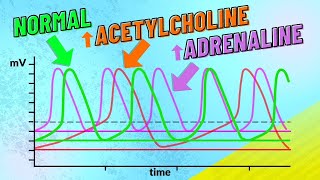
How Adrenaline And Acetylcholine Affect Heart Rate Youtube
In the heart acetylcholine activation of muscarinic receptors causes channels in the muscle membrane to let potassium pass.
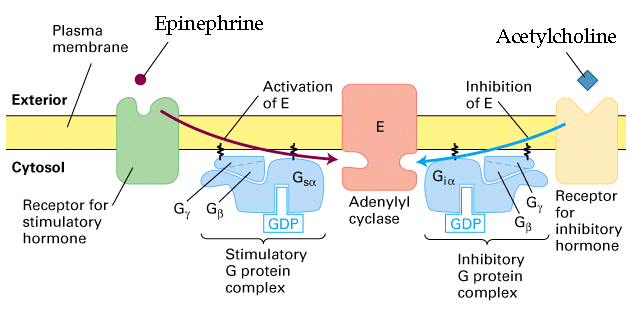
. Acetylcholine DECREASES heart rate by hyperpolarizing pacemaker cells in the cardiac muscle by opening potassium ion channels. In skeletal muscle acetylcholine neurotransmission has an excitatory effect at neuromuscular junctions. Acetylcholine in the concentration used had no effect on any of the measured variables but did antagonize the effects of the three agonists on contractility and phosphorylase activity.
The BP showed an initial gradual fall followed by a secondary precipitous fall. How does ACh inhibit cardiac. Epinephrine increases heart rate and contractility by stimulating the SA node and the AV node and enhancing Ca2 ion release via second messenger pathways.
046 How Adrenaline and Acetylcholine Affect Heart Rate. Abnormal Heart Rates Bradycardia. The effect of acetylcholine on cardiac muscle however is very different from its effects on skeletal or smooth muscle.
10000 is applied to the frogs heart attached to a cardiograph in the usual way slowing and weakening is seen. The vertebrate heart contracts spontaneously but the force and frequency of contration are increased by norepinephrine NE release from sympathetic nerves and acetylcholine ACh released from parasympathetic nerves. The sympathetic nervous system SNS releases the hormones catecholamines - epinephrine and norepinephrine to accelerate the heart rate.
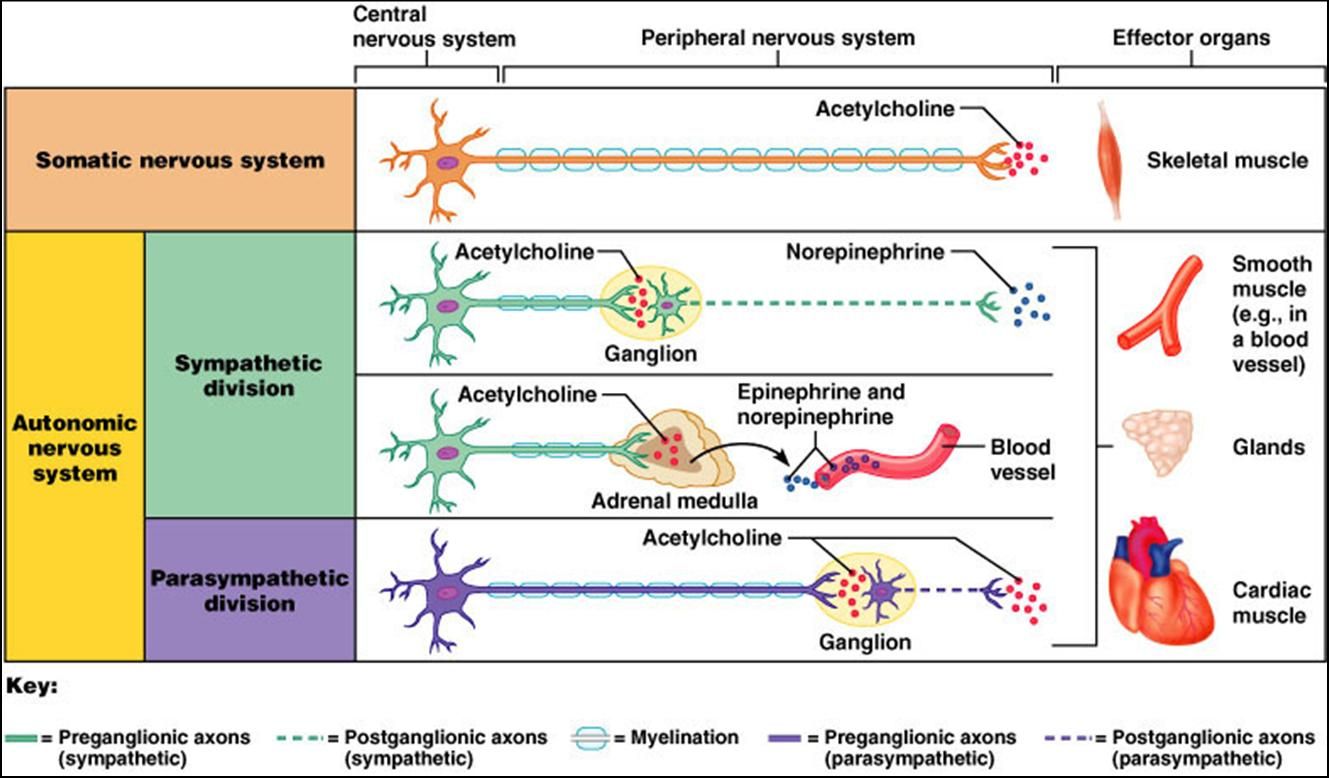
If a drop of acetylcholine 1. Unlike atropine quinidine was not found to exert any competitive antagonism to acetylcholine at the muscarine-sensitive cholinoceptors of isolated guinea-pig atria. The parasympathetic nervous system PNS releases the hormone acetylcholine to slow the heart rate.
Include receptors channels ion flowin describing the mechanisms Answer 8. In the awake dog ACh caused a triphasic change in HRa rise fall and secondary rise. Up to 10 cash back Abstract.
It hyperpolarizes pacemaker cells in the cardiac muscle by opening potassium ion channels Describe the mechanisms by which epinephrine affects heart rate. How does Acetylcholine decrease heart rate. It is not however obtained so regularly as on the mammalianheart.
The known vagolytic effect of quinidine has been termed atropine-like This effect was studied in vitro and in vivo. Parasympathetic impulses and. Acetylcholine has an inhibitory effect on cardiac muscle it decreases heart rate.
Authors M R. Atropine Mechanism of Action 1. Heart rate is slower than normal resting heart rate.
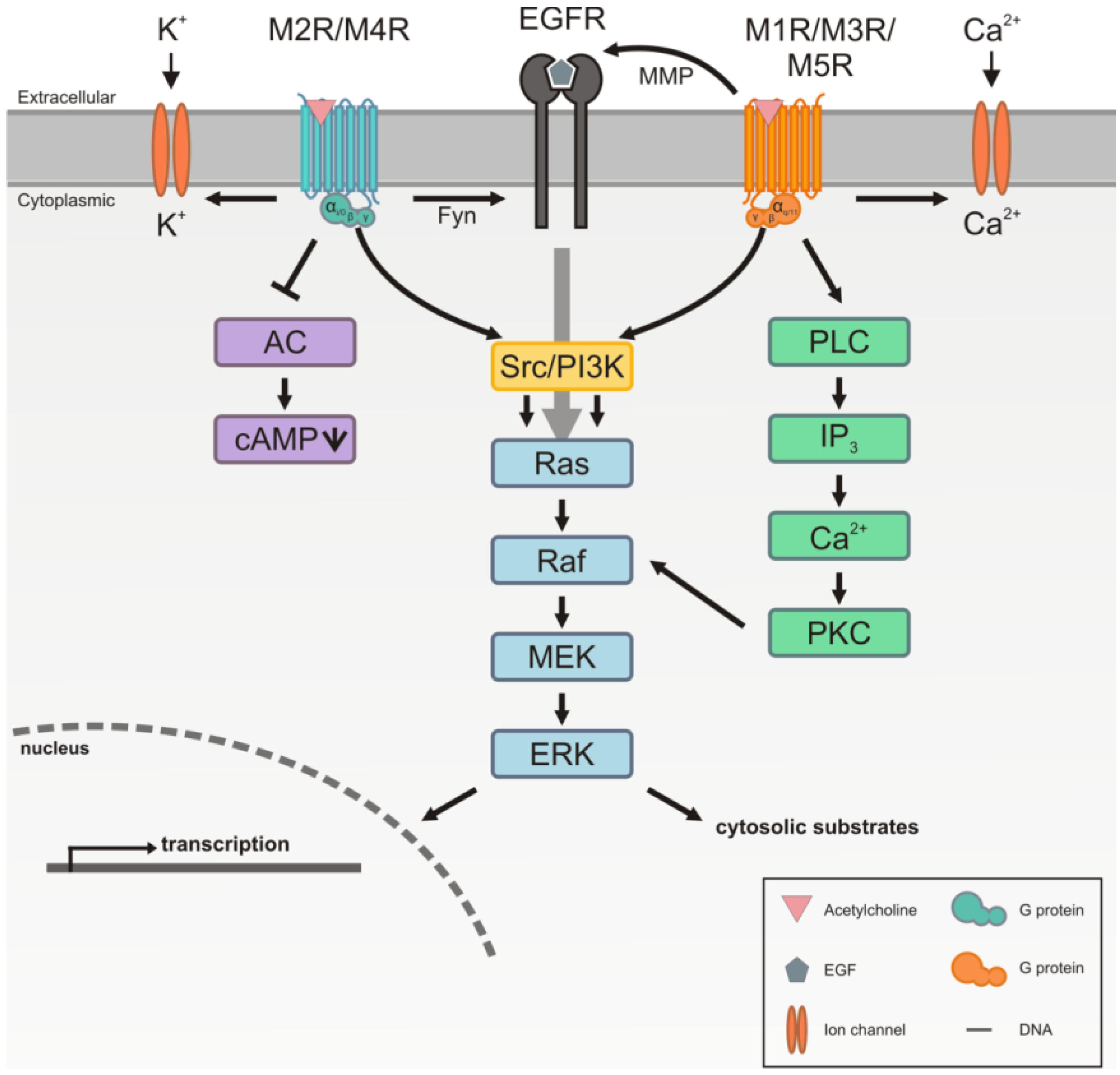
1 Acetylcholinebisvtge neurotransmitter released by parasympathetic nervous system via vagus nerve at synapses with cardiac muscle cellsThe acetylcholine binds to M2 receptors in the cells of cardiac muscle Ach hyperpolarises the SA nodal cells and View the full answer. These transmitters act upon several different effector systems including several different kinds of ion channels in the. Epinephrine mimics the effects of which branch of the autonomic nervous system.
Heart Rate drug effects Muscle Contraction. Describe the mechanisms by which epinephrine affects heart rate. The sympathetic nervous system SNS and the parasympathetic nervous system PNS.
In this episode Leslie discusses the effect of adrenaline and acetylcholine on heart rate. ACh decreases heart rate. Watch and learn how it all works.
Effects of acetylcholine on the heart. Describe the mechanisms by which epinephrine affects heart rate. These channels initially called K Ach slow the depolarization of the pacemaker cell and decrease the heart rate.
Together they cause the muscle to contract. An increase in heart rate requires an inhibition of vagus nerve stimulation or acetylcholine activity. This has the effect of slowing contraction of the heart muscle and making it beat with less force.
The nervous system releases the hormone acetylcholine to slow the heart rate. In low doses a slight slowing of the heart is attributed to the incidental parasympathetic effect and central vagal stimulation that leads to a short term increase of acetylcholine. Epinephrine INCREASES heart rate and contractibility by stimulating the sinoatrial SA.
Acetylcholine Action ACh from parasympthetic axons causes the opening of separate K channels. What effect does acetylcholine have on the heart rate. Describe the mechanisms by which epinephrine affects heart rate.
The effect of acetylcholine on cardiac muscle however is very different from its effects on skeletal or smooth muscle. These two modifies the conductance of the ions across the membranes of the cells of the SA node causing either an increase or a decrease in heart rate. The atropine results in modifications of the heart rate.
Acts to slow heart rate by slowing the depolarization to threshold. This has the effect of slowing contraction of the heart muscle and making it beat with less force. The effect of cholinergic agonists on coronary flow rate and oxygen consumption in isolated perfused rat heart Journal of Molecular and Cellular Cardiology Vol.
Describe the mechanisms by which atropine followed by acetylcholine affects heart rate. The three agonists produced increases in contractile force heart rate and ventricular glycogen phosphorylase activity. Impulses carried to the heart by means of fibers that secrete acetylcholine are what.
1 Mechanisms of methacholine-induced coronary vasospasm in an experimental model of variant angina in the anesthetized rat. Effects of acetylcholine on the heart Am J Physiol. The effect of acetylcholine chloride ACh on heart rate HR and blood pressure BP was studied in four dogs awake and under anesthesia by means of pentobarbital sodium.
Describe the mechanisms by which atropine followed by acetylcholine affects heart rate. Describe the mechanisms by which acetylcholine affects heart rate. The stimulating effect of acetylcholine can also be demon-strated in experiments on the frogs heart.
Acetylcholine ACh released by parasympathetic nerves regulates the minute-to-minute changes in heart rate and contractility required for proper cardiovascular function via muscarinic receptors opposing the activity of the sympathetic nervous system. Furthermore acetylcholine can initiate and maintain slow modulation mechanisms with soluble intracellular messengers kinase activation and phosphorylation.
Cardiac Muscle Contraction

Cardiac Physiology Anatomy And Physiology Ii

Ijms Free Full Text New Approaches In The Management Of Sudden Cardiac Death In Patients With Heart Failure Targeting The Sympathetic Nervous System Html
Acetylcholine How And Why To Optimize The Synthesis Of This Vital Neurotransmitter

Cardiac Physiology Anatomy And Physiology Ii

Heart Rate Bioninja
Genes Free Full Text Non Neuronal Functions Of The M2 Muscarinic Acetylcholine Receptor Html
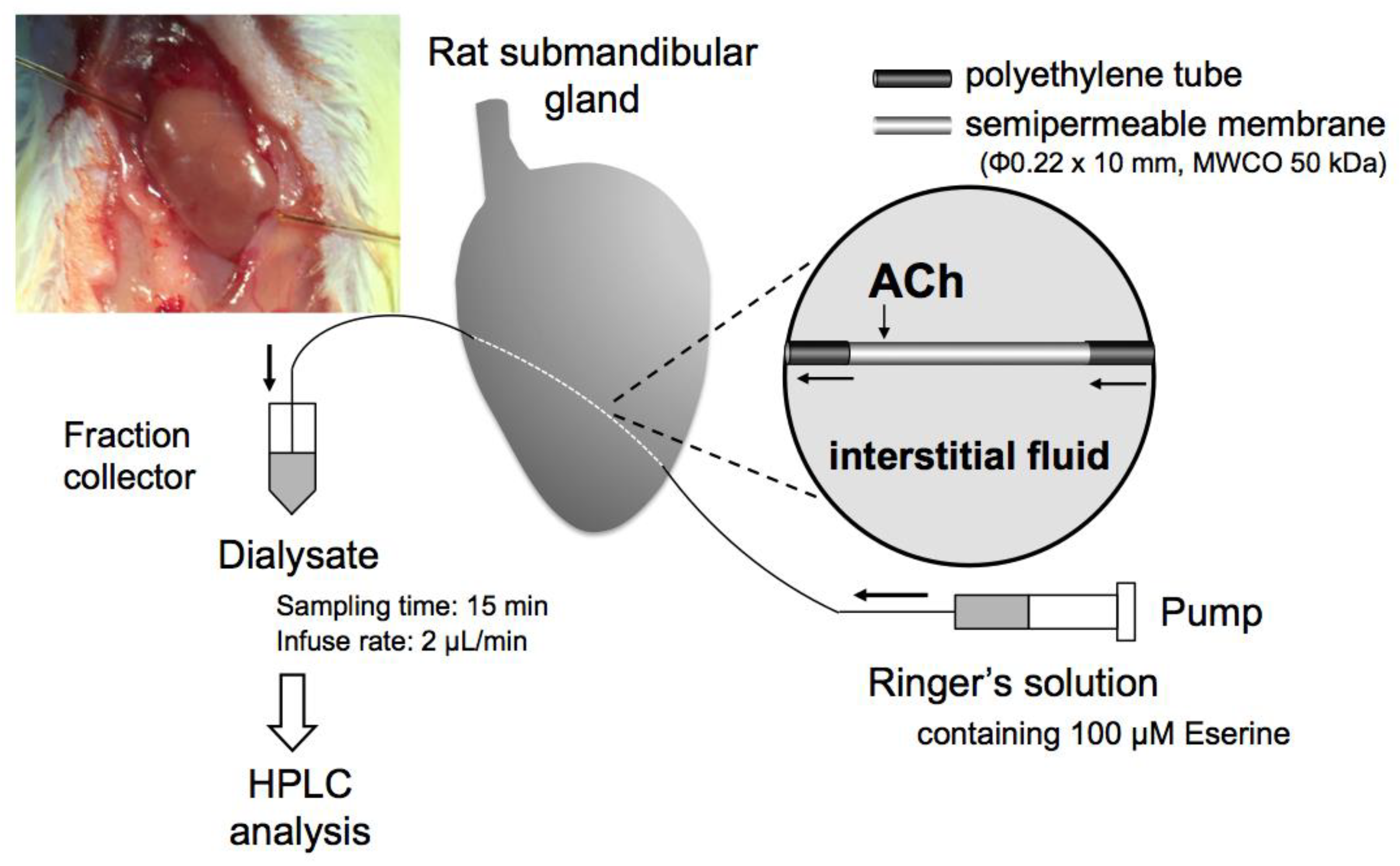
Biology Free Full Text In Vivo Monitoring Of Acetylcholine Release From Nerve Endings In Salivary Gland Html
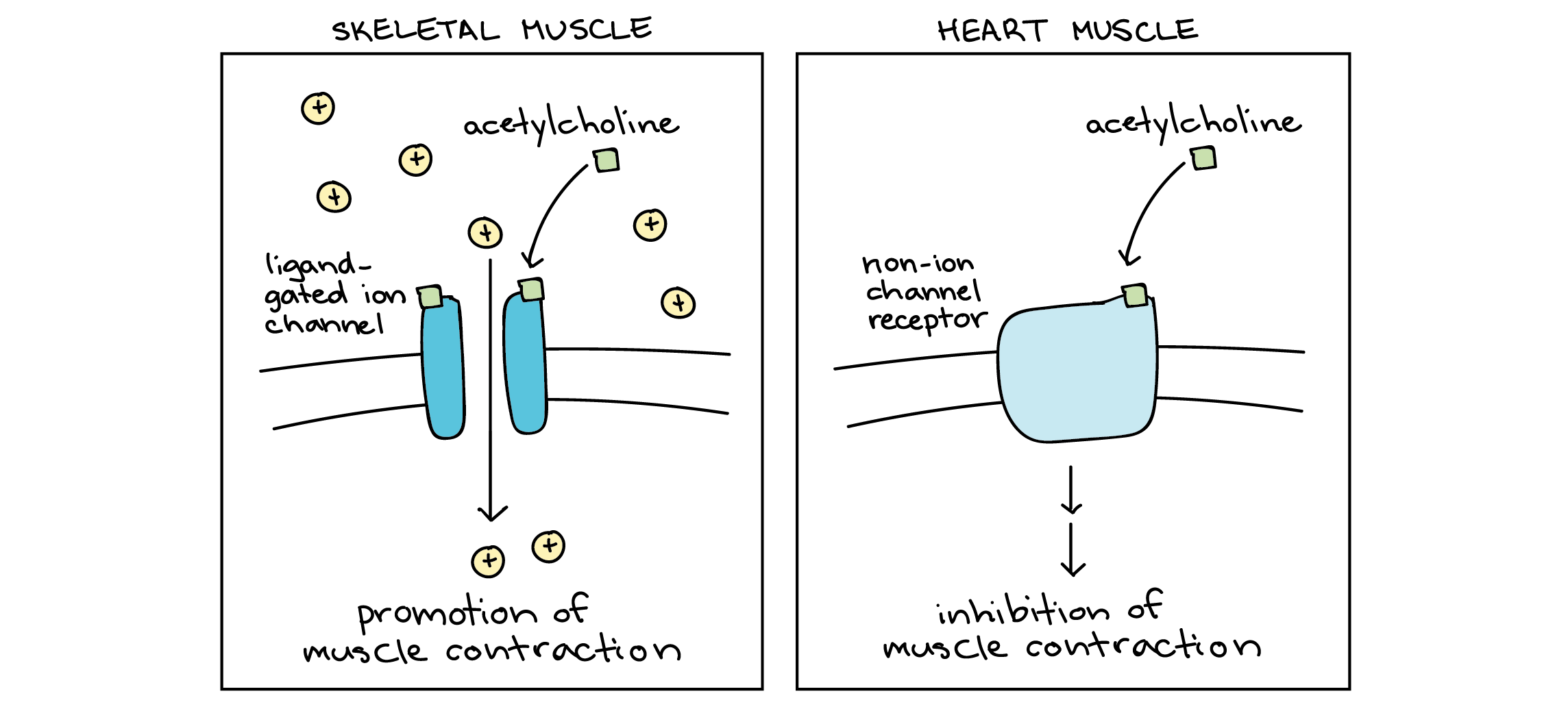
Neurotransmitters And Receptors Article Khan Academy
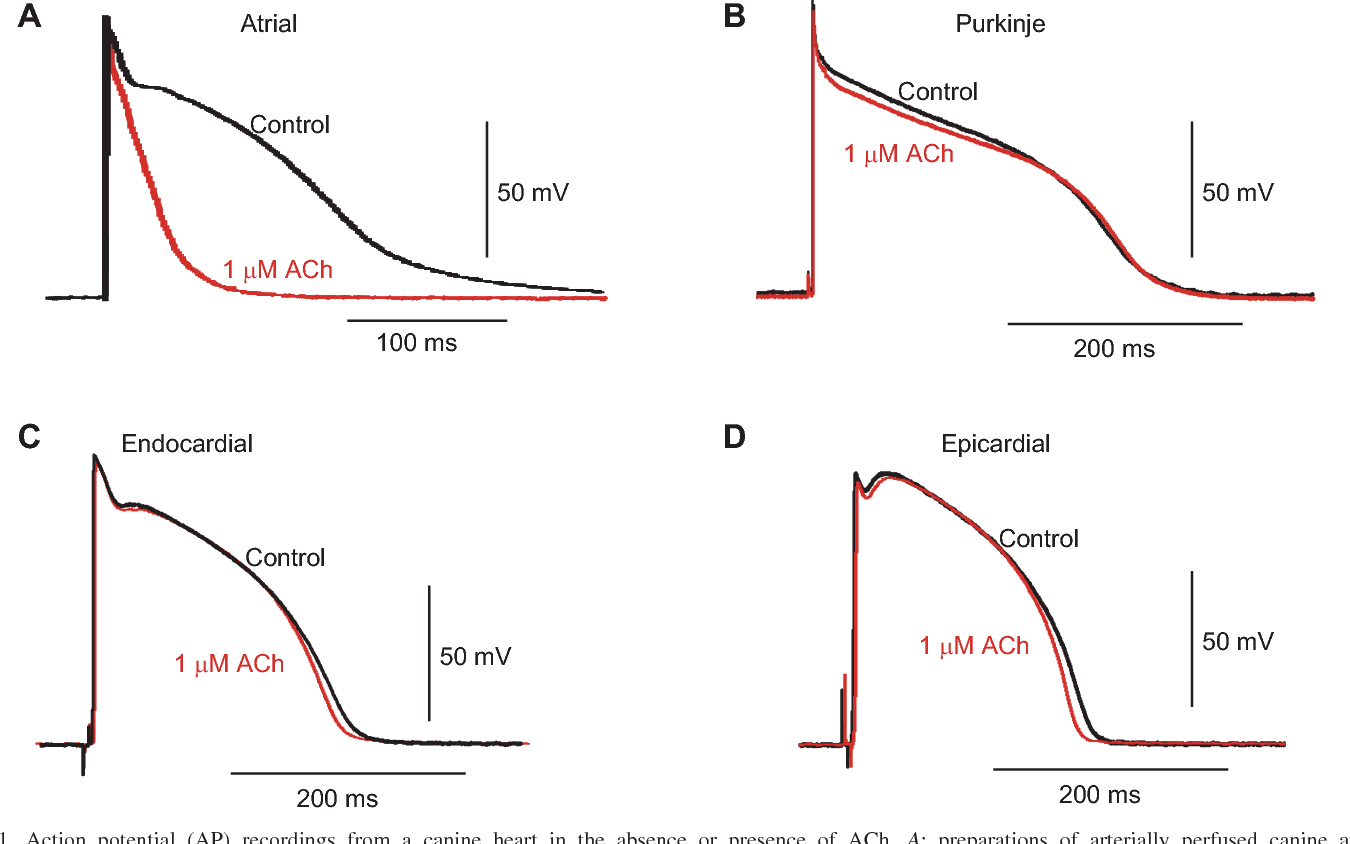
Pdf Tissue Specific Effects Of Acetylcholine In The Canine Heart Semantic Scholar
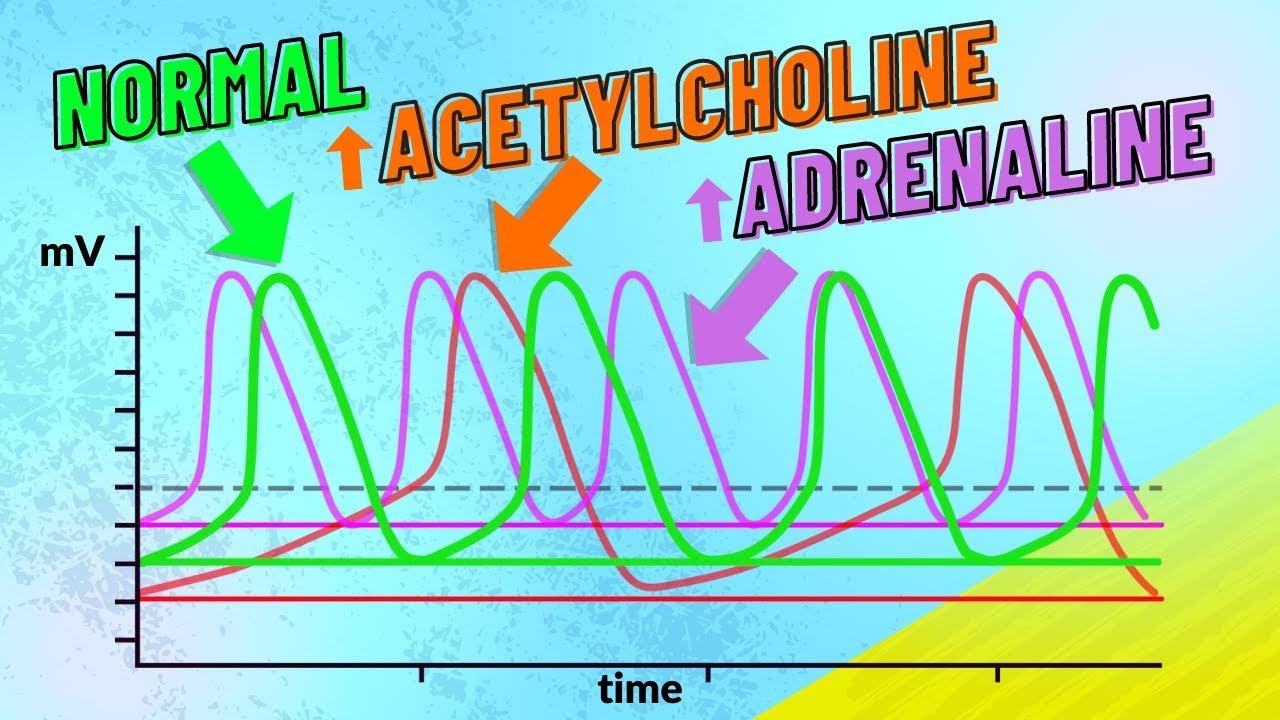
How Adrenaline And Acetylcholine Affect Heart Rate Youtube

Cv Pharmacology Atropine Muscarinic Receptor Antagonist
Functional Effects Of Acetylcholine Ach And Isoprenaline Iso Download Scientific Diagram

Cv Physiology Adrenergic And Cholinergic Receptors In The Heart

Chapter 13

Introduction To Cardiac Physiology Electrophysiology Tusom Pharmwiki Cardiac Physiology Cardiac Cycle
Cardiac Muscle Contraction

Control Of Heart Rate Autonomic Nervous System Teachmephysiology

A Simplified Schematic For The Mechanism Of Heart Rate Regulation By Download Scientific Diagram


Comments
Post a Comment